
TAILOR MADE TRIPS
OUR VALUES

Secrets of Angkor, Battambang and Phnom Penh

10 DAYS / 9 NIGHTS
From 1636$/pers - Price based on 2 people

THANK FOR YOUR INTEREST

We will contact you soon. How shall we contact you?

Or

Leave us you email

We will contact with you soon. How can we contact you?

    Secrets of Angkor, Battambang and Phnom Penh

    Category:
    Add to Wishlist
    Add to Wishlist

    IN CONSTRUCTION

    HIGHLIGHTS

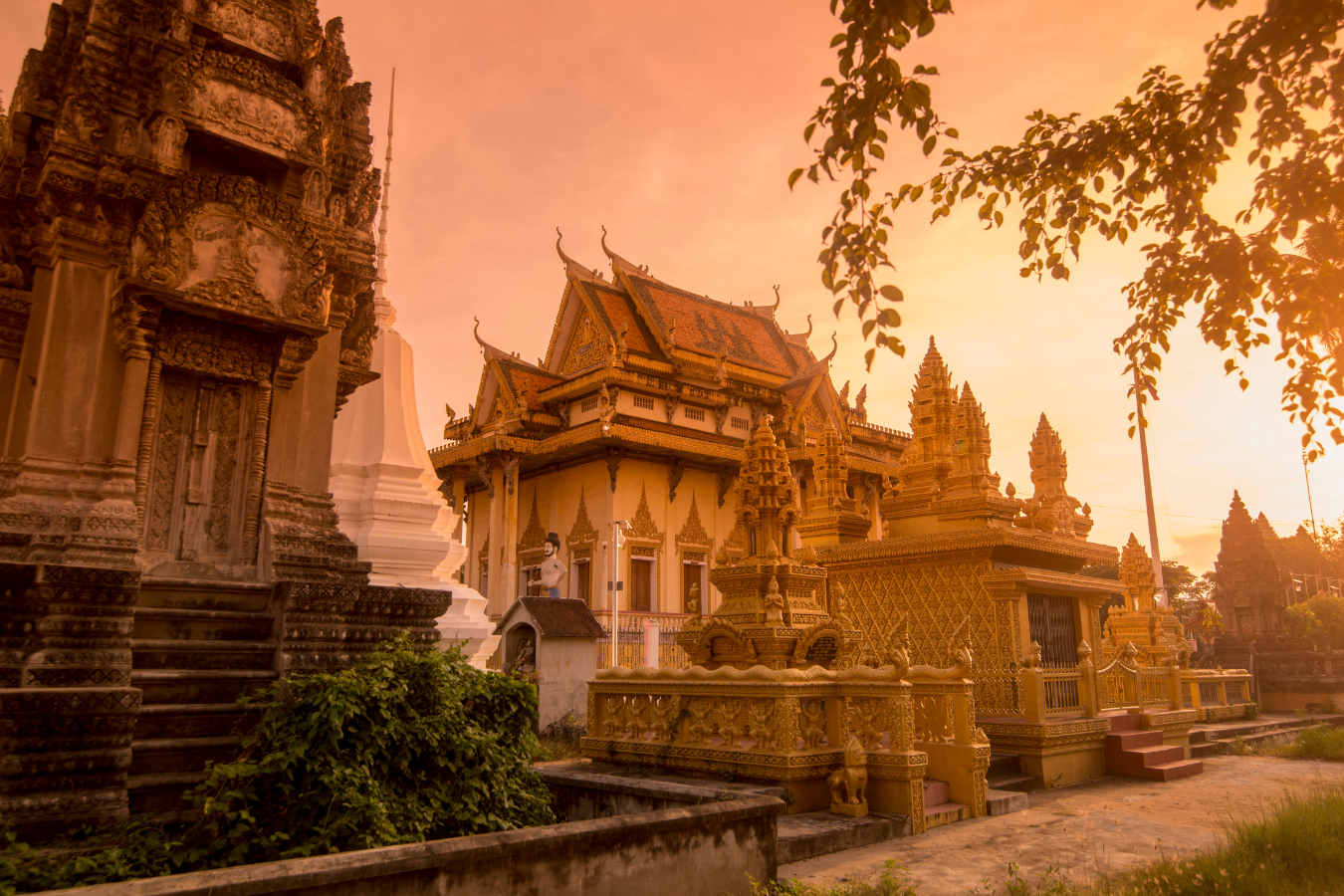
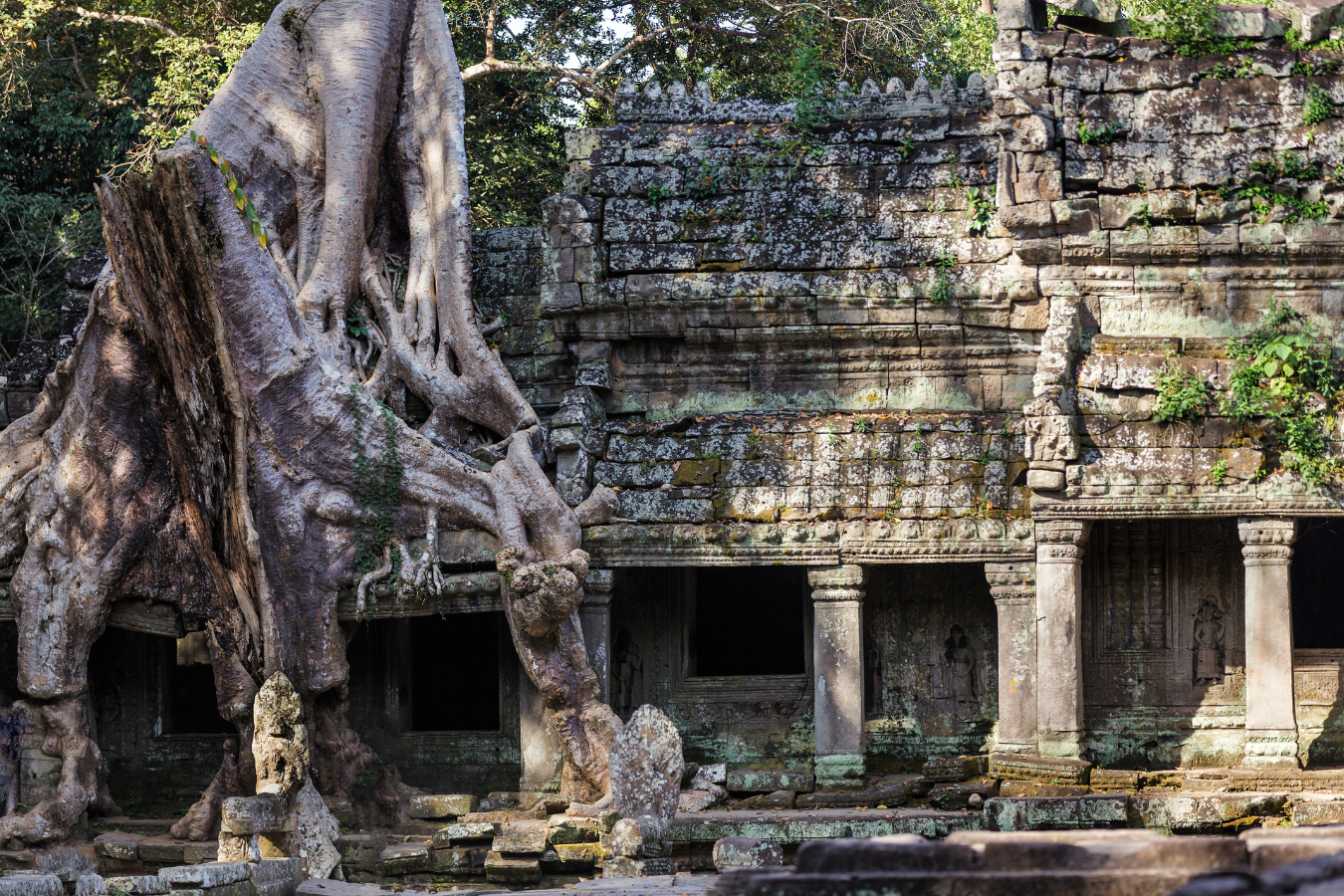
    • Explore the majestic temples of Angkor and Sambor Prei Kuk.
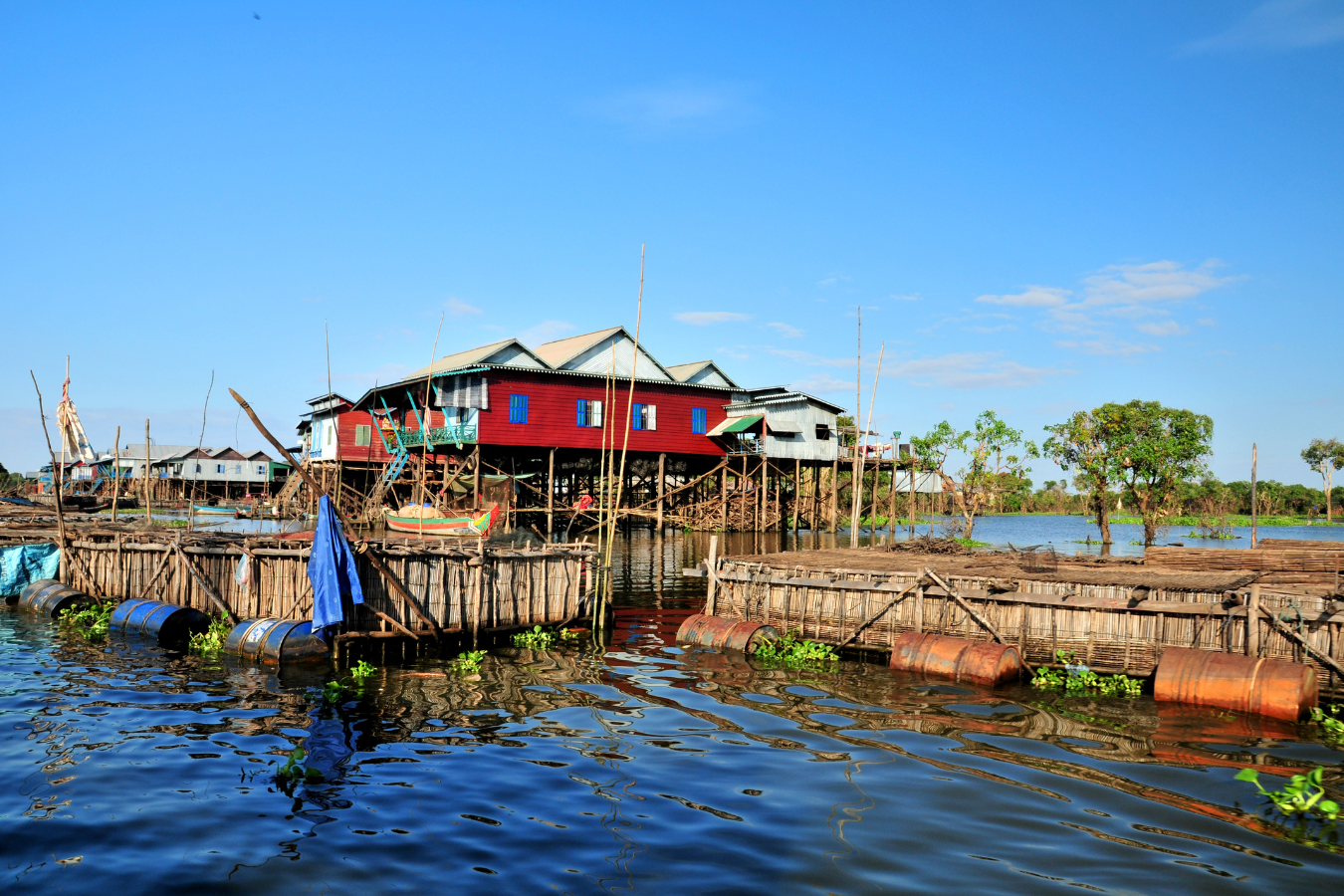
    • Discover local life in a floating village on Tonlé Sap Lake.
    • Immerse yourself in the moving history of Phnom Penh.
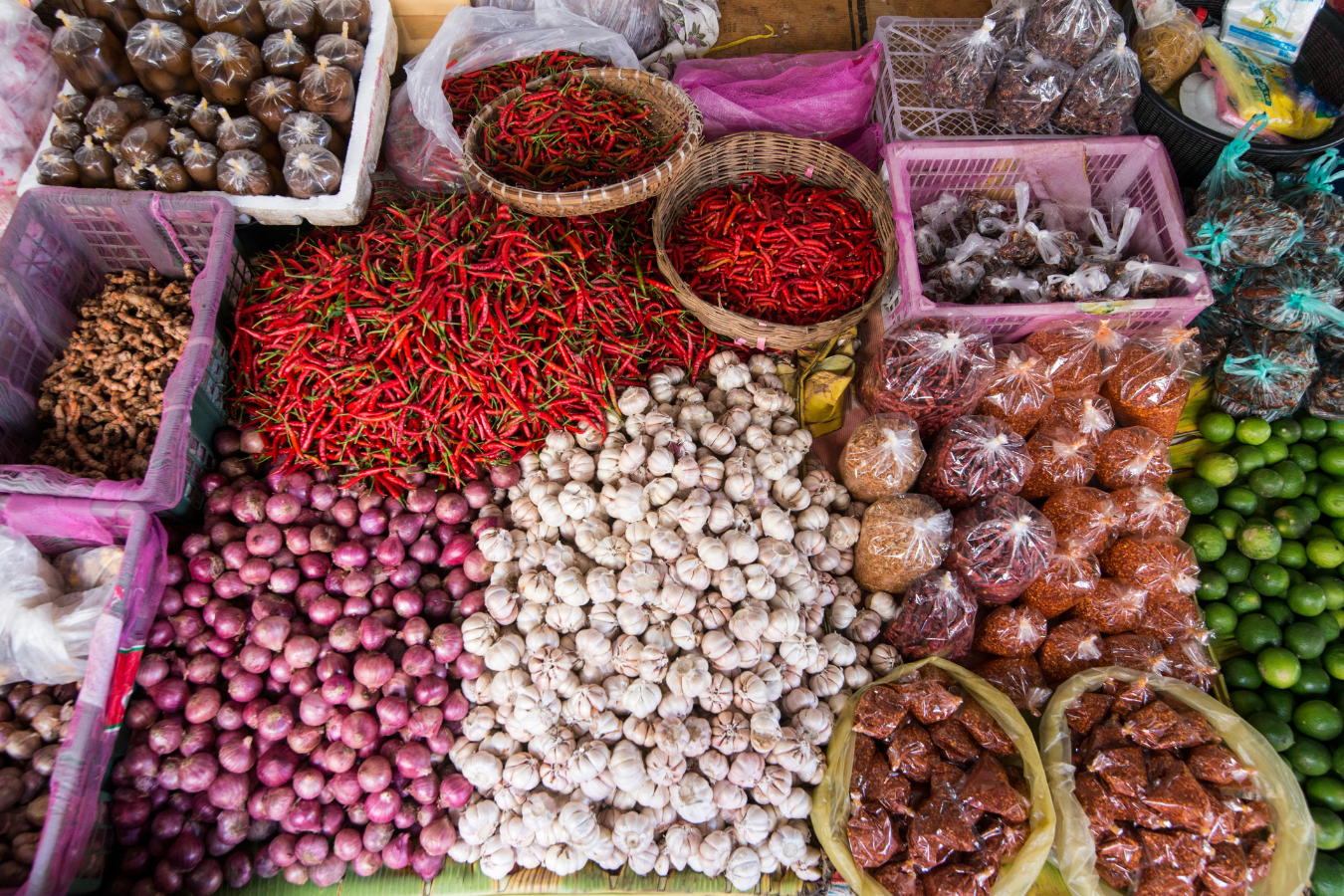
    • Savor local specialties and participate in culinary workshops.
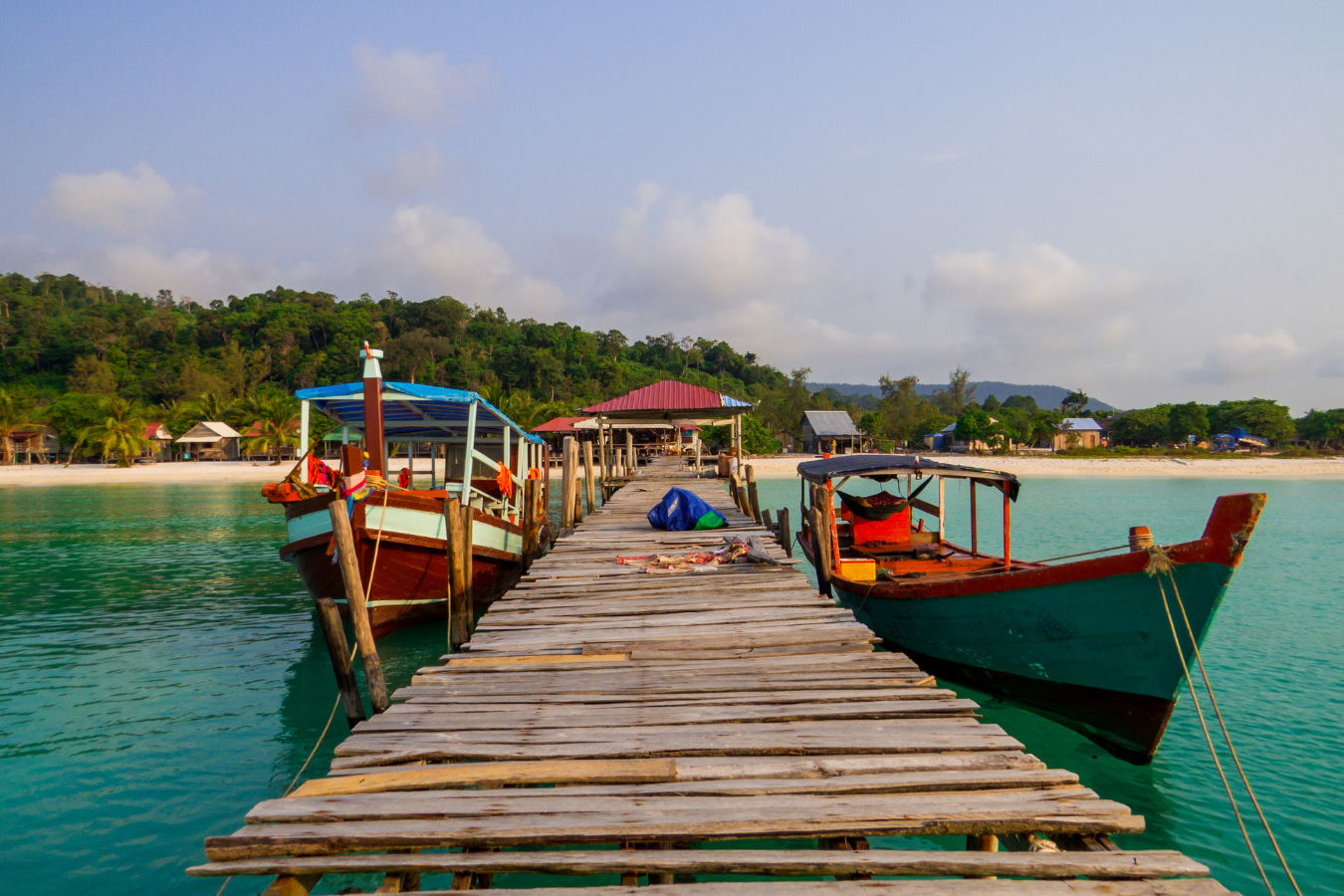
    • Finish with a relaxing getaway to the beaches of Koh Rong.

    Day 1: Hello Phnom Penh!
    Stops: Phnom Penh

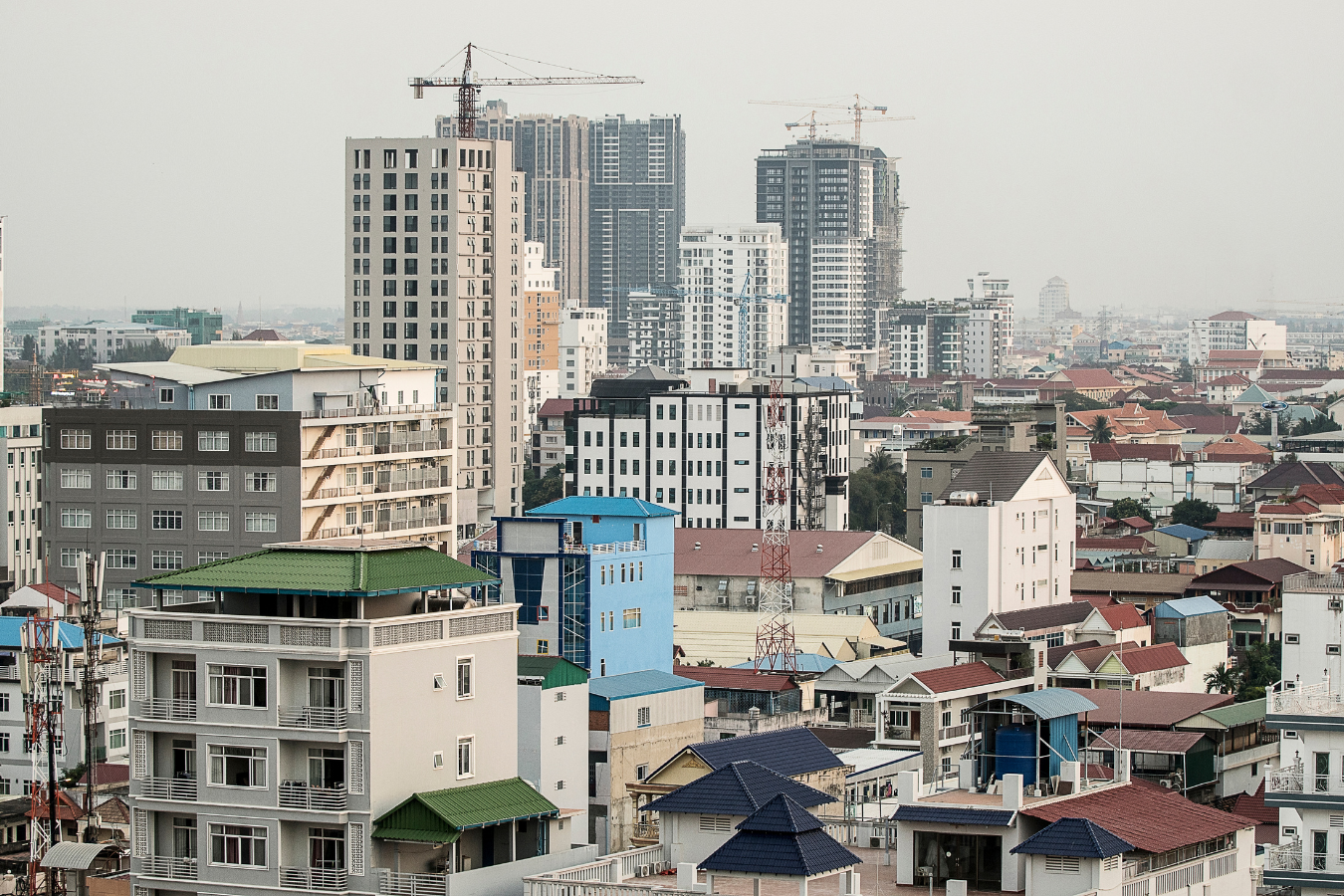
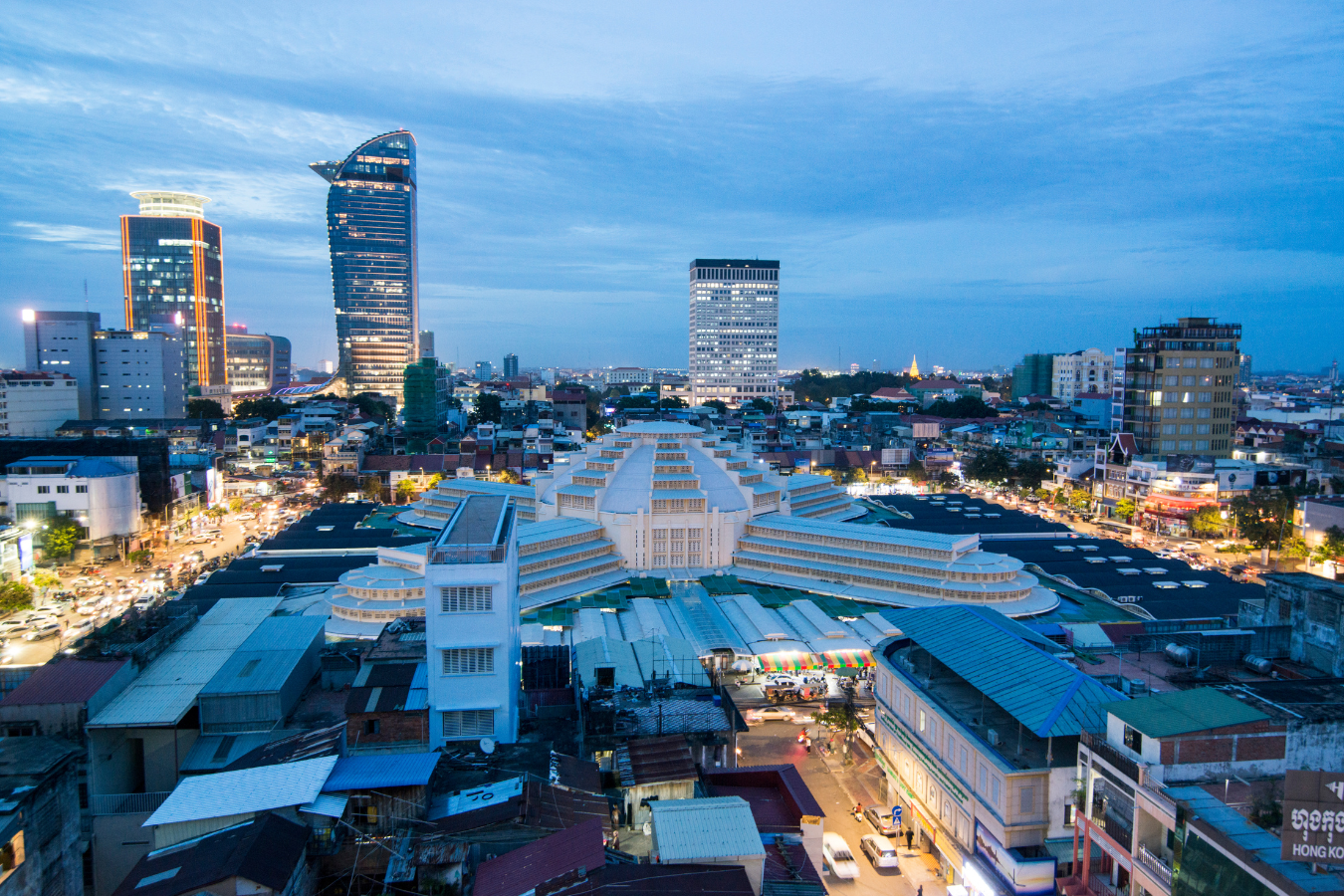
    Upon arrival at the airport, your English-speaking guide will warmly welcome you and escort you to your hotel, ideally located in the heart of Phnom Penh. Your Cambodian adventure begins with an orientation tour of the capital. Then, enjoy a pleasant stroll along the bustling banks of the legendary Mekong River. You will conclude this first day with dinner in the lively atmosphere of the riverside, before returning to your hotel for a well-deserved night’s rest.

    Distance: 25 km
    Dinner included

    Accommodation: Overnight at the HM Grand Central – Deluxe Room (Phnom Penh)

    Day 2: Phnom Penh in depth
    Stops: Phnom Penh

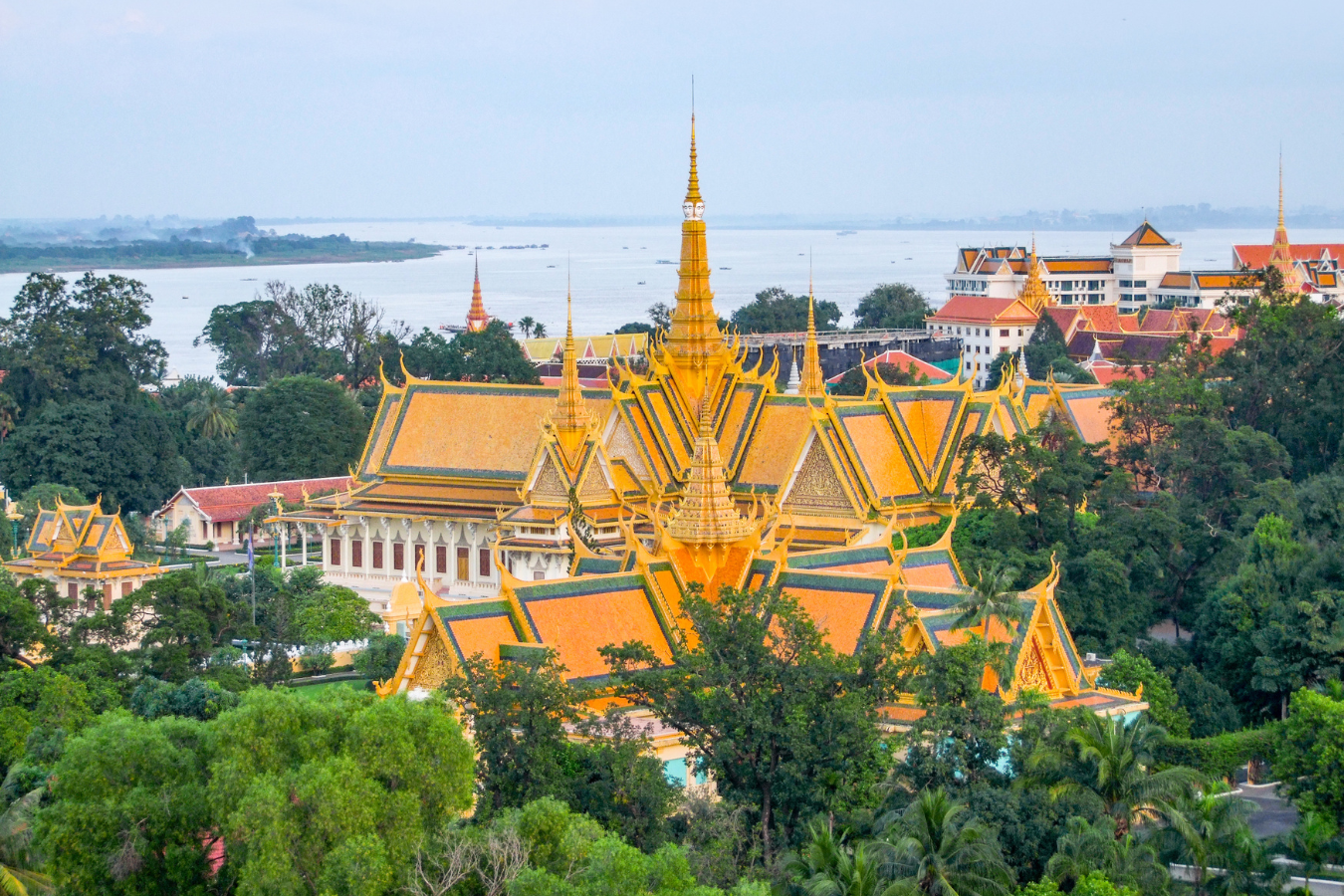
    Explore the moving Tuol Sleng (S-21), a testament to the Khmer Rouge regime, before discovering the Khmer art treasures of the National Museum. Visit the Royal Palace, the king’s residence, and the Silver Pagoda, renowned for its silver paving stones and royal treasures.

    Enjoy a pedicab ride through the lively neighborhoods, discover the serenity of Wat Ounalom, and then visit the sacred hill of Wat Phnom.
    A day rich in history and discovery!

    Breakfast included

    Accommodation: HM Grand Central – Deluxe Room (Phnom Penh)

    Day 3: Sambor Prei Kuk, “the temple in the lush forest”
    Stops: Kampong Thom

    Embark on a captivating journey to Siem Reap. En route, savor a local specialty: fried tarantula, a popular delicacy from the village of Skun.

    Explore the pre-Angkorian temples of Sambor Prei Kuk, the ancient capital of the Great Lake, with its sixty listed monuments. A walk through the forest will take you to the three groups of brick towers, adorned with magnificent decorations.

    After a free lunch, continue to Siem Reap, where you will soon immerse yourself in the enchanting world of the Angkor temples.

    Distance: 320 km / Time: Approx. 5 hours
    Breakfast included

    Accommodation: Overnight at the Peak Elite Hotel – Deluxe Room (Angkor)

    Day 4: Sunrise over Angkor and Angkor Wat
    Stops: Siem Reap

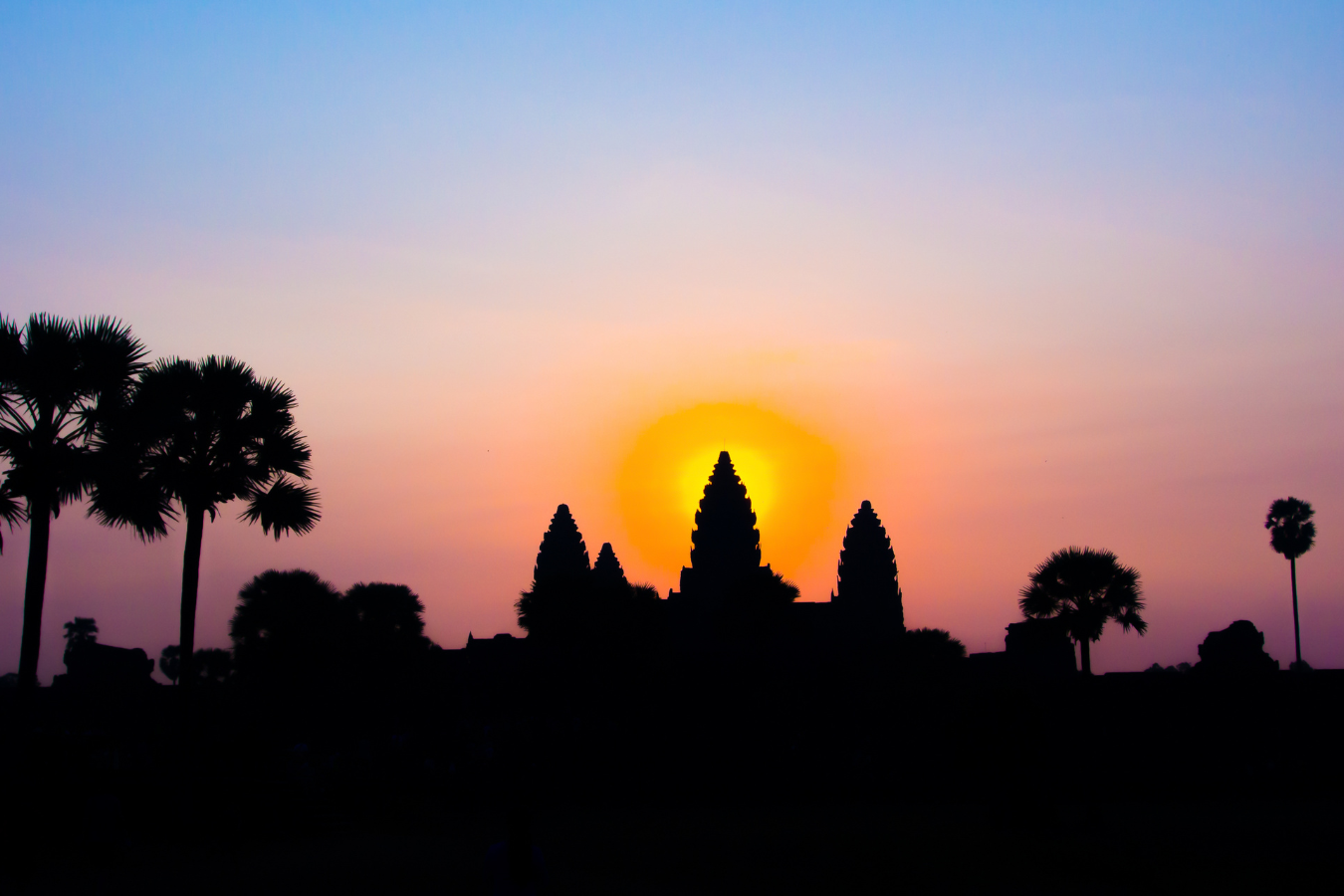
    At dawn, hike up Phnom Bakeng Hill, the first temple built on the Angkor site. From its summit, admire the sublime sunrise over the forest and the tall towers of the majestic Angkor Wat. After a village breakfast, explore the emblematic Khmer temple, before heading to Banteay Srei, a superb temple of rare finesse. Then, explore the famous Angkor Wat, the most prestigious monument in Cambodia.

    Breakfast and lunch included

    Accommodation: Overnight at the Peak Elite Hotel – Deluxe Room (Angkor)

    Day 5: Angkor Temples by Tuk-Tuk
    Stops: Siem Reap

    Ride a tuk-tuk to Preah Khan Temple, a mystical sanctuary built by King Jayavarman VII in homage to his father. Be enchanted by the maze of gates and delicate carvings.

    Continue your journey to Ta Prohm, nicknamed “the ancestor Brahma,” where nature merges with stone. The roots of ancient trees intertwine with the ruins, creating an enchanting scene.

    Discover the majestic royal city of Angkor Thom, surrounded by ramparts. Admire the mysterious gates and the Bayon, famous for its towers adorned with faces. Finish with a stroll through the Baphuon and Phimeanakas mountains, before soaking up the echoes of past performances at the Terrace of the Elephants.

    Breakfast and lunch included.

    Accommodation: Overnight at the Peak Elite Hotel – Deluxe Room (Siem Reap)

    Day 6: Cambodian Countryside and Tonle Sap Lake
    Stops: Siem Reap

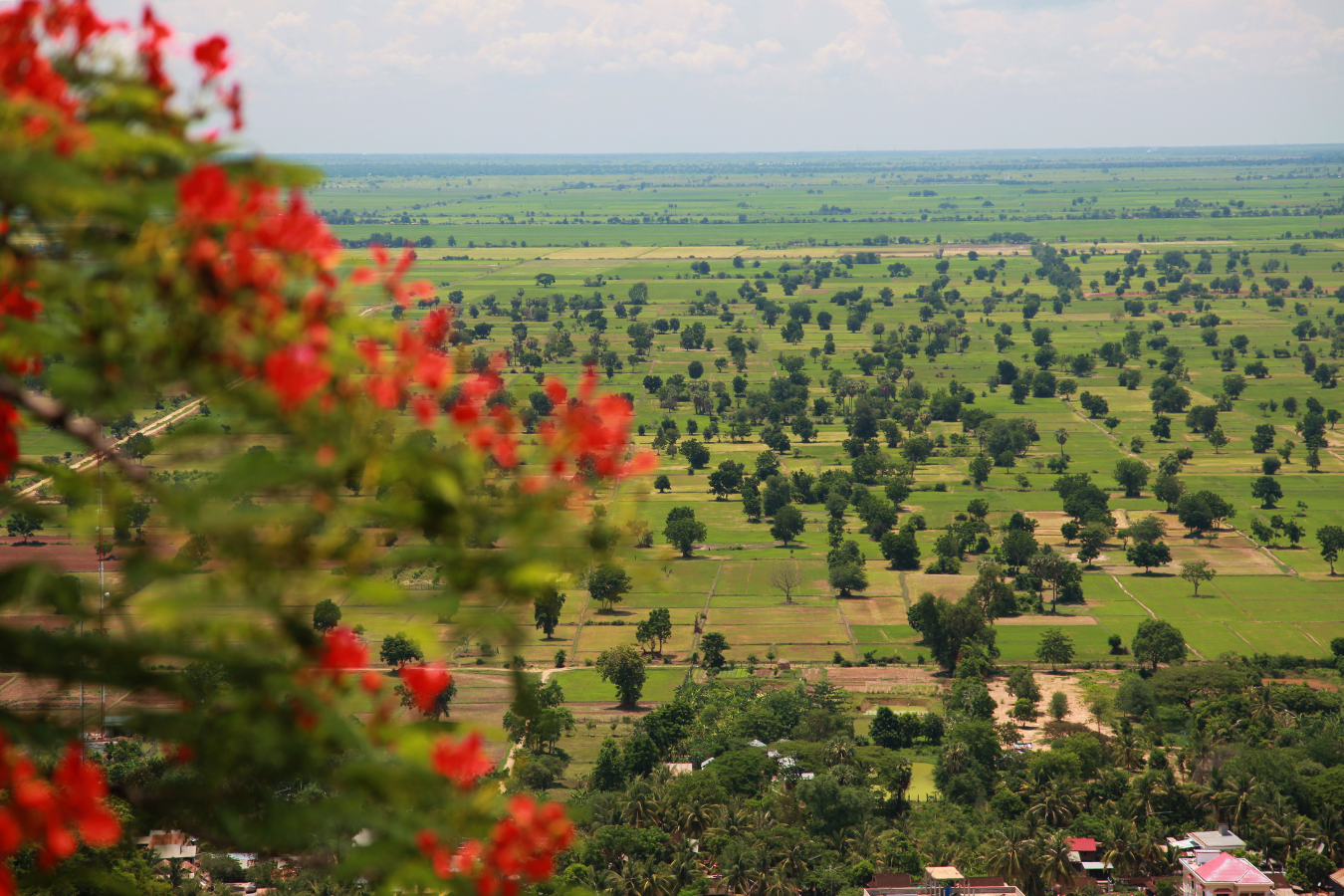
    Explore the Cambodian countryside by tuk-tuk, visiting a local family and a pagoda. Savor a fresh coconut and learn how to prepare typical dishes, such as green mango salad and amok, which you will then taste.

    Cross the floodplains to reach Tonle Sap Lake. Board a wooden boat to visit the floating village of Mechrey.

    Finish with dinner followed by a show by the Phare Ponleu Selpak Circus, featuring acrobatics and juggling.

    Distance: 50 km, Duration: Approx. 2 hours
    Breakfast, lunch, and dinner included

    Accommodation: Overnight at the Peak Elite Hotel – Deluxe Room (Angkor)

    Day 7: Onward to Battambang!
    Stops: Battambang

    Take the road west and drive through lush countryside and rice paddies. Along the way, visit the 12th-century Banteay Chhmar Temple. Upon arrival in Battambang, explore its museum and city center.

    Distance: 294 km, Duration: Approx. 5.5 hours
    Breakfast and lunch included

    Accommodation: Battambang Resort – Deluxe Room (Battambang)

    Day 8: Battambang, the Provincial City
    Stops: Battambang

    Explore Battambang’s colonial city center, passing by the Psah Nat Market and Damrei Sos Pagoda. Climb Phnom Banan Hill to discover a 12th-century temple, then follow the Sangker River with stops to visit rice cake factories and the prahok market.

    Take a railcar ride through the rice paddies, along the colonial-era railway, before ending the day in Phnom Sampov, where you can observe an impressive procession of bats at sunset.

    Distance: 50 km, duration: approximately 2 hours. Breakfast included

    Accommodation: Battambang Resort – Deluxe Room (Battambang)

    Day 9: Return to Phnom Penh
    Stops: Phnom Penh

    On the road to Phnom Penh, meet the artisans of the Pursat and Kampong Chhnang provinces. Once you arrive at your destination, wander the streets of the capital with its Independence Monument and grand boulevards. After a stroll along the quays, it’s time for a dinner cruise at the intersection of the Mekong and Tonle Sap rivers.

    Distance: 293 km, duration: approximately 7 hours.
    Breakfast, lunch, and dinner included

    Accommodation: Overnight at the HM Grand Central Hotel – Deluxe Room (Phnom Penh)

    Day 10: End of your Khmer adventure or paradise beaches?
    Stops: Phnom Penh

    These last moments in Cambodia are an opportunity to visit charities that support young Cambodians. Your Khmer getaway ends in the aisles of the famous Russian Market, where you can stock up on souvenirs before your transfer to the airport.

    ​Optional: Relaxing extension on the idyllic island of Koh Rong.

    Breakfast included

    DAY ITINERARY
    Day 1 PHNOM PENH
    Day 2 PHNOM PENH
    Day 3 KAMPONG THOM
    Day 4 SIEM REAP
    Day 5 SIEM REAP
    Day 6 SIEM REAP
    Day 7 BATTAMBANG
    Day 8 BATTAMBANG
    Day 9 PHNOM PENH
    Day 10 PHNOM PENH DEPARTURE FLIGHT


    Q&A

    Official Language: Khmer
    Capital: Phnom Penh
    Surface: 181 035 Km2
    Population: 16 204 486
    Currency: Riel (KHR)
    Telephone code: +855

    The RIEL is the national currency. But the US Dollar is also accepted throughout the country and prices are generally displayed in Dollars. The exchange rate is relatively stable: 1USD=4000 Riels. Warning: banknotes printed before 1990 are not accepted in Cambodia and their value decreases if the banknote is torn or scratched or graffitied or folded. In the case of a payment in Dollar, the change will be returned to you in Riel. The Euro and other foreign currencies are easily exchangeable in airports and markets.

    Credit cards are now widely used in tourist cities (Siem Reap, Phnom Penh and Sihanoukville) and you can withdraw Dollars. Cash withdrawals are possible in major cities in Laos, with a credit card (Visa or American Express). Payments are also possible in some hotels, luxury shops, or restaurants. But the cost of the levies (variables) remains quite high (3% commission). We recommend that you carry cash to cover your personal expenses throughout the trip.

    The Khmer kingdom of Cambodia reached its peak in the 12th century. Agriculture remains the dominant economic sector (57.6% of the working population). Cambodia’s main industries are clothing and tourism (more than 2 million in 2007/08). Oil and gas were discovered in the country’s territorial waters in 2005. Despite the extreme poverty of a large part of the population (31% below the poverty line), Cambodia has experienced strong economic development since the late 1990s, with an average GDP growth rate of 10% per year between 2004 and 2007.
    Cambodian cuisine blends Vietnamese, Thai, Chinese and French influences. The food is based on rice and soups. There are more fish dishes (caught in the Tonle Sap or Mekong) and chickens than buffalo and pork meat. Among the many exotic fruits, mango and pineapple have a unique taste in Cambodia.
    Cambodia is surrounded by Thailand, Laos and Vietnam. Its area is of 181 035 km2 and its sea border, 443 km long, overlooking the Gulf of Thailand. It has three large mountain ranges: the Elephant Mountains to the south, the Cardamom Mountains to the west and the Annamite Cordillera to the east.
    State religion since 1989, Buddhism Theravada has 14.2 million followers, or 96.4% of the population. The other religions are Islam (2.1% of the population, most of whom are Chams), Christianity (1%, practiced by many Vietnamese and some Khmer). Most holidays are celebrated on the same dates every year, and some festivals like the Khmer New Year, Pchum Ben and the Feast of Water follow the lunar calendar and move a few days before or after each year.

    No vaccination is required. However, it is recommended to protect yourself against hepatitis A and B (ask your doctor for advice). We advise you to bring your own:

    of a broad-spectrum antibiotic;
    of your usual medications if you are undergoing treatment;
    an anti-diarrheal and an intestinal antiseptic (Intetrix, Immodium…);
    a protective cream against mosquitoes;
    moisturizing sunscreen, lip stick;
    a healing ointment and a local antiseptic.

    Water is not drinkable in Southeast Asia. Avoid tap water, require bottled water. It is harmless and safe to brush your teeth, but do not drink it.

    The Khmer kingdom of Cambodia reached its peak in the 12th century when great temples were erected, but the struggles between Hindus and Buddhists, Khmers, Mon and Cham tore the kingdom apart. The Siamese gradually established their political control over the Khmers while the Vietnamese also sought to dominate and colonize Cambodia. In 1863, France offered its protection to Cambodia, once again threatened by the Siamese (Thais). King Norodom I accepted the protectorate and Cambodia became a French colony. It was only after the Second World War that King Norodom Sihanouk negotiated with France the independence of Cambodia, which was granted on 9 November 1953. 

    After 15 years of reign, the king could not prevent the Khmer Communist Party from starting the armed struggle in 1968. In 1970, a military coup d’état precipitated Cambodia into a civil war that ended in April 1975 when the Khmer Rouge seized Phnom Penh. The brutality of Pol Pot’s troops served as a pretext for the Vietnamese to invade the country in December 1978. 

    They left the country following international pressure in September 1989. In May 1993, multi-party parliamentary elections were held. A new constitution was ratified and Norodom Sihanouk was once again proclaimed king. In 2004, he abdicated in favour of his younger son Norodom Sihamoni, currently in charge of the kingdom.

    Khmer (sometimes called “Cambodian”) is the official language, with a clear majority; it is estimated to have 11.2 million speakers, or 83.6% of the population, according to 2012 figures, far ahead of Vietnamese (1 million speakers), Cham (475,000 speakers) and Chinese (438,000 speakers). It is mainly spoken in Cambodia and the neighbour regions of Thailand by the Surin Khmer (northern) and in Vietnam by the Khmer Krom.

    MINI GLOSSARY

    Hello : Sour Seday
    Goodbye : Ly hai
    Thank You : Orkoun
    Can I have the bill? : Som kotleuy
    How much does it cost ? : Klei ponman
    I don’t understand : Ort yol
    My name is : Kyom tchmo
    Where are the toilets ? : Bantop teuk neuy na ?
    I don’t understand khmer : Kyom atché pissa khmer
    Do you speak english ? : Tah nyek neeyay preesah ahng-lay tay ?
    Hotel : Santa Khear

    The mobile phone network now covers a very large part of Cambodia. You can therefore use your mobile phone in Cambodia, it is no longer necessary to acquire a chip when you arrive. In addition, the Internet has made its entry into daily life. Most tourist sites are equipped, hotels and restaurants have Wi-Fi.
    Cambodian craftsmanship has practically disappeared during the Khmer Rouge period and is slowly coming back to the surface. The country now offers a reasonable choice of handicrafts that can be found on the markets, in the shops or directly within workshops. The most popular souvenirs are silks and textiles, Kampot pepper, gold and silver jewelry, basketry and souvenirs from Angkor.
    Tips are not mandatory but are always appreciated. They should be used as a token of appreciation. If you are satisfied with the service, it is customary to tip the guide and driver. Plan about 3 dollars/day per person for a guide, half for a driver. Not tipping is better than giving a paltry amount that can be perceived as humiliating by some.
    No special rights to pay for photographing or filming in Cambodia, except in Angkor where the use of professional material is subject to authorization. In some places, photos are prohibited … thank you to carefully follow the instructions on this subject, to avoid any inconvenience.
    220 V with several possible socket types: two flat plugs, two round plugs or three plugs. Plan to bring a universal adapter. Power cuts are frequent throughout the country due to aging distribution network that is not adapted to today’s needs.

    On your way, you will often have the opportunity to meet local people. Wherever you are, be discreet and humble. The multiplicity of cultures and traditions means that certain attitudes are perceived differently in different countries. To avoid being disrespectful, take the time to understand the people you meet, take the time to make connections.

    There too, listen to the advice of your guide! He knows better than anyone the behaviors to avoid or adopt. For example, if you want to take a picture of someone, always ask them for permission. The best way for acceptance is to have established a prior contact. Similarly, do not distribute gifts at all … This often encourages children to beg, to avoid this kind of drift, it is better to refer to the local structures competent (donate to school, hospital, village chief etc.). Finally, be careful not to wear too light clothing (short shorts, cleavage …) and avoid exuberant behavior.